
Mouthguards

Mouthguards are devices used to protect your teeth from grinding or clenching while you sleep or from injuries while you play sports. They can also help to reduce snoring and relieve obstructive sleep apnea. Mouthguards are an excellent preventive tool for many types of situations that cause harm or injury to your teeth and gums. Even though our enamel, the outermost layer of our teeth, is stronger than bone, damage can occur in several ways. We recommend a mouthguard if you have specific sleep issues or grind your teeth, play sports, or suffer from TMD problems.
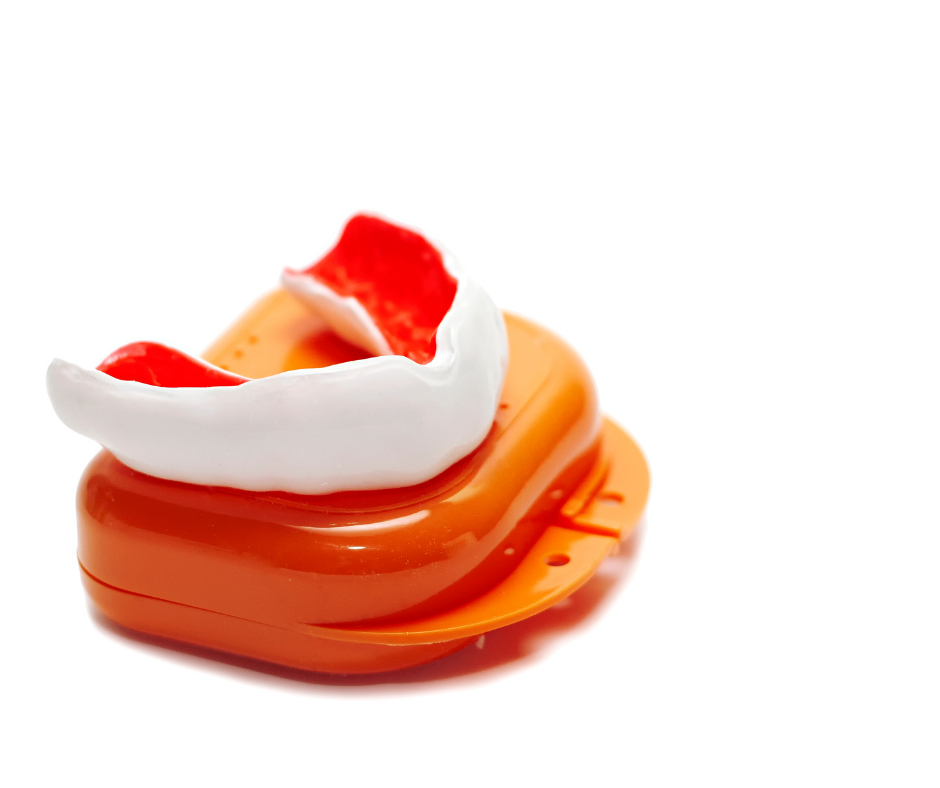
There are several reasons why wearing a mouth guard when playing sports is important. First, mouth guards protect against displacing teeth as they help distribute force over all of your teeth, which prevents one, or two, teeth from bearing the blunt of the blow. They can also protect against injuries to soft tissues and prevent jaw and teeth fractures. And, ultimately, mouth guards may help prevent against concussions as the padding could lessen the force between the upper and lower rows of teeth and lessen the force of the jaw as it pushes on the skull.
Taking Care of Your Mouthguard
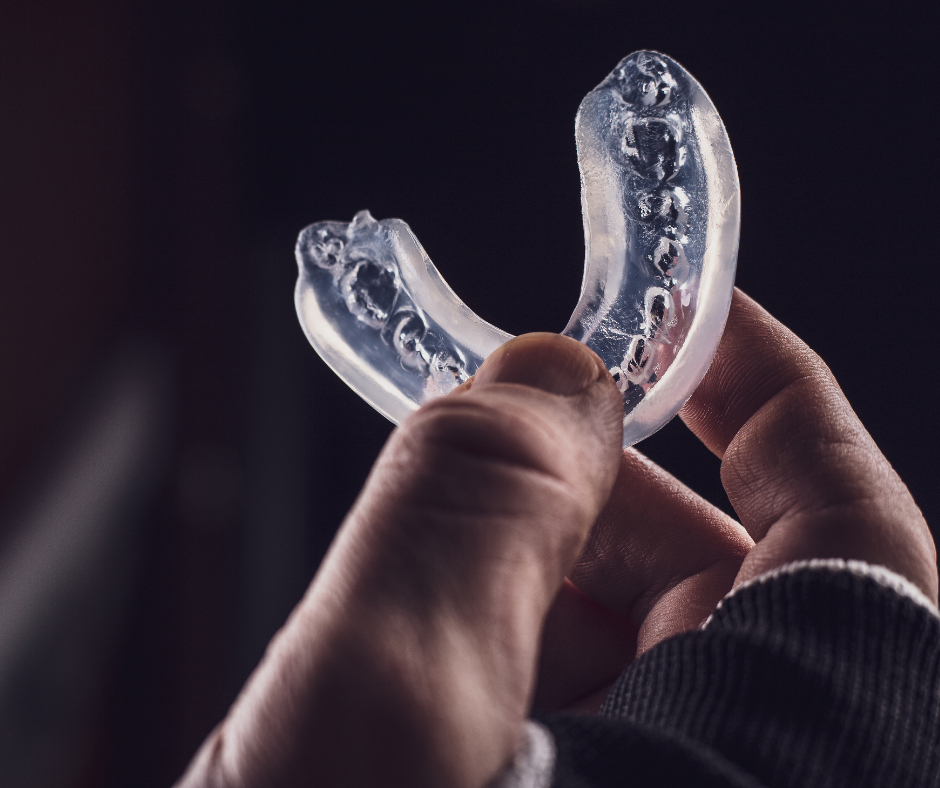
Similar to a retainer, braces, or any other special dental appliance, it is important to take care of your mouthguard by storing it properly and keeping it clean. You should also know when to replace your old mouthguard with a new one. Here are a few simple ways to keep your mouthguard clean and working correctly:
- Gently scrub your mouthguard after each use with a toothbrush and toothpaste.
- Store your mouthguard in a protective case.
- Do not leave your mouthguard in the sun or in hot water; it may melt or become deformed.
- Replace your mouthguard at the beginning of every new sports season. You should also replace your mouthguard if you notice it has become worn and no longer fits properly.
- Do not wear a retainer with your mouthguard. If you wear braces, your dentist will help design a mouthguard to protect your teeth and your braces.
- Do not chew on or cut pieces off of your mouthguard.
- Bring your mouthguard to each dental checkup, and your dentist can check to make sure it's still in good shape.

If you’re in need of the protection that a mouthguard can provide, or simply want to take steps to ensure that your teeth stay straight and in perfect shape, then the process starts with a simple consultation and discussion with your dentist.
Contact the team here at Lasalle Dental today to arrange for your appointment and we will be glad to review all the options you have available and provide you with a recommendation. From there, we will work with you to ensure that your custom mouthguard fits perfectly and offers you the best in protection and comfort for your smile.